Digital marketing isn’t just a trendy topic; it’s a necessity for all entrepreneurs who’d like to future-proof their businesses.
Many businesses fear making the shift from traditional marketing to digital marketing, which is typically driven by misconceptions such as it being too expensive, too complicated, or that it’s only for big businesses.
In this article, we aim to show small businesses that you don’t need to be a big business or break the bank on digital marketing.
What is Digital Marketing?
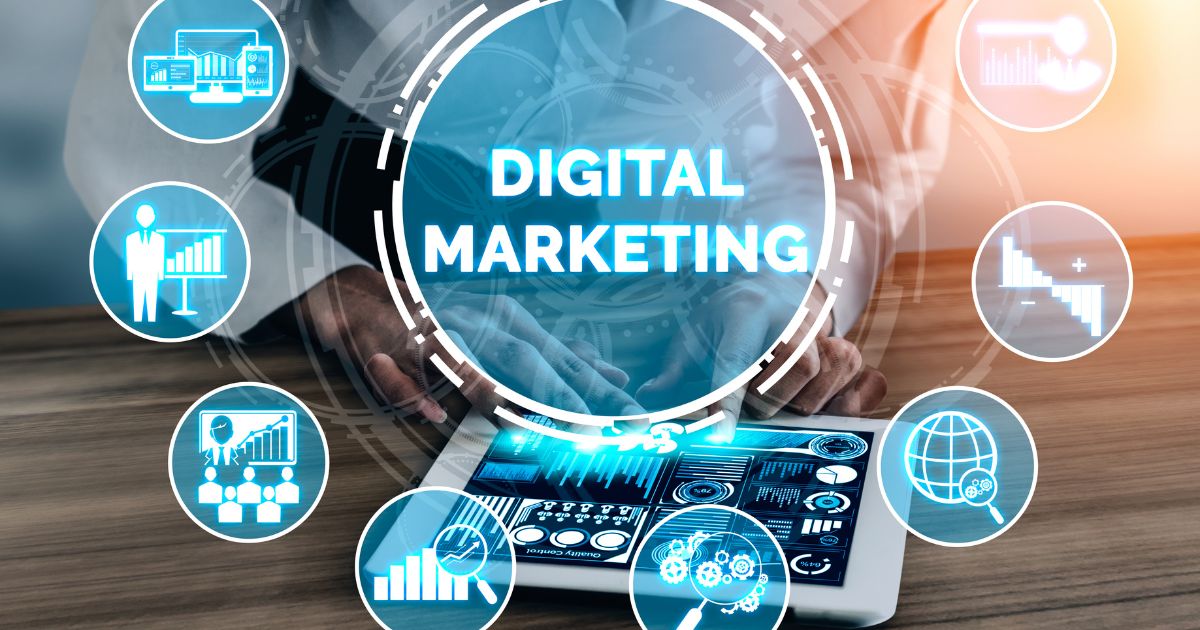
Digital marketing, also known as online marketing, is the process of promoting products and services online. This form of marketing is broad and uses various strategies and tactics to connect with potential customers online. Digital marketing can be used for various goals in your business. This includes brand awareness, driving website traffic, generating leads, and ultimately converting them into loyal customers.
Unlike traditional marketing, digital marketing offers opportunities for precise targeting, measurable results, and opportunities to make dynamic adjustments based on data-driven decisions. For instance, if you own a business that sells beauty products, you can use paid media to target users who have shown interest in beauty products online.
Paid media allows you to specifically reach individuals based on demographics, interests, and behaviours, such as their past interactions with your brand or website.
The precision that comes with such data-driven methods helps ensure your message is seen by those most likely to be interested in your offerings. However, there are other types of digital marketing methods for SMEs to use.
Types of Digital Marketing
There are six main types of digital marketing, which are:
1. Content Marketing
This approach is all about delivering value before making a sale. Brands create articles, videos, guides, and more to solve problems, educate, or entertain. Content marketing can be used as a low-cost marketing approach for SMEs through organic content creation. This builds trust among their audience and lets the brand position itself as an expert. Aspects of content marketing also include influencer marketing, where creators use storytelling and audience loyalty to spread their message.
2. Search Engine Marketing/ Search Engine Optimisation
Search engine marketing focuses on helping your business appear where people are actively searching, like Google. Search Engine Optimisation (SEO) is the organic route, using keywords, quality content, and website structure to climb rankings naturally. On the other hand, pay-per-click (PPC) advertising lets you instantly pay for placement, making it great for immediate visibility and targeting.
3. Social Media Marketing
Whether it’s building a brand voice, engaging with followers, or running paid ads, social media gives businesses a front-row seat to everyday digital conversations. Social media is where user-generated content thrives, as social aspects help humanise brands.
4. E-mail Marketing
Despite being one of the oldest digital tactics, email marketing remains powerful. It’s targeted, personal, and versatile, allowing you to nurture leads, announce updates, and drive sales straight into the recipient’s inbox.
5. Performance Marketing
If it can be tracked, it falls here. Performance marketing is all about measurable actions, such as clicks, conversions, and signups. It includes strategies like affiliate programs, pay-per-click (PPC) ads, and influencer campaigns, where you only pay when the desired result happens.
6. Multi-Channel and Mobile Marketing
People switch between apps, devices, and platforms constantly, so your brand needs to meet them wherever they are. Multi-channel marketing ensures your message is consistent whether someone sees it in an email, on Instagram, or through a mobile ad. Mobile marketing in particular zeroes in on phones, using SMS, apps, or mobile-optimised websites to reach audiences.
How to Get Started With Digital Marketing
Building an online presence is the first step to getting started on your digital marketing journey. Here’s what you have to do to get started:
- Create a Digital Marketing Strategy: Before you do anything else, you need a plan. Define your target audience, set clear marketing goals (e.g., increase website traffic, generate leads, boost sales), and decide which digital marketing channels are best suited to reach your objectives.
- Create a Website: Your website serves as a display of your business. You should ensure that your potential customers are able to learn about your products or services. Ensure your website is user-friendly, mobile-responsive, visually appealing, and optimised for search engines (SEO) to improve its visibility.
- Get Your Branding Right: Before you start posting or promoting, get crystal clear on how your brand looks and sounds online. This includes your logo, brand colours, tone of voice, and messaging. Consistency across all platforms builds credibility and makes you memorable.
- Choose Your Channels Wisely: You don’t have to be on every platform; you just need to be where your audience already is. Choose 1–2 core channels to start and get good at those before expanding.
- Create Content That Adds Value: Whether it’s a blog post, short video, or newsletter, your content should do one of three things: inform, solve a problem, or inspire action. Think quality over quantity; one great post that connects is worth more than five forgettable ones.
- Set Up Analytics From Day One: You can’t improve what you don’t measure. Install tools like Google Analytics or Facebook Pixel to track who’s visiting your site, where they’re coming from, and what they’re doing once they arrive. This insight helps you refine your approach and spend time (and money) on what actually works.
- Test, Learn, and Keep Improving: Digital marketing isn’t a once-off project; it’s an ongoing cycle. Try different types of content, experiment with new formats, review your results regularly, and adapt.